Gaza Death Toll Surpasses 73,000 Amid Renewed Israeli Strikes
Palestinian casualties in Gaza have exceeded 73,000 as Israeli military operations continue despite an active ceasefire agreement.
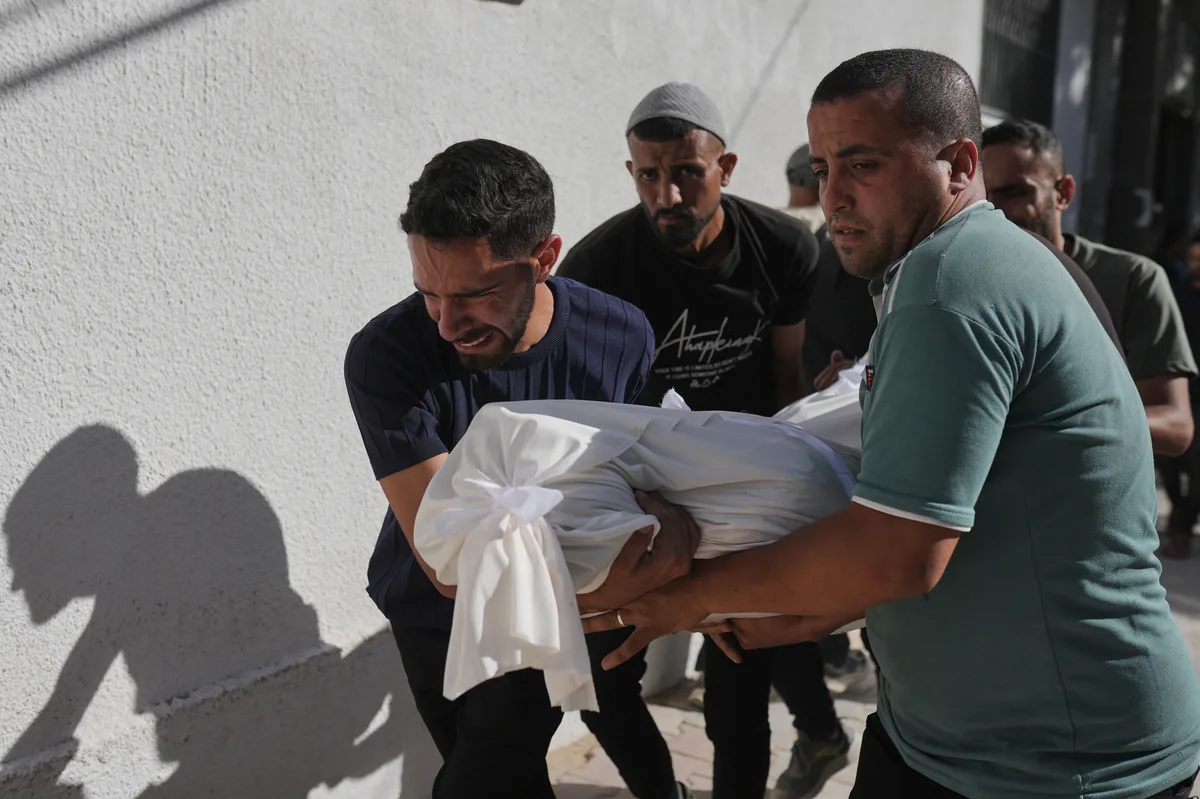
The human cost of the conflict in Gaza has reached a staggering new threshold, with the Palestinian death toll now surpassing 73,000, according to a report by Wafaa Shurafa and Samy Magdy published by Yahoo News. The figure underscores the sustained and devastating scale of the military campaign, which shows little sign of abating even as diplomatic frameworks intended to pause hostilities remain nominally in place.
Perhaps most striking is the timing: Israeli forces reportedly launched fresh strikes despite an existing ceasefire arrangement. That dynamic — military action continuing under the shadow of a peace mechanism — raises serious questions about the durability of negotiated pauses and the degree to which ground-level operations are constrained by high-level agreements. Historically, ceasefires in complex urban conflict zones have struggled to translate political agreements into immediate operational halts.
Read more No Verifiable Content Found in Cited News Source →
The sheer magnitude of the toll demands analytical attention beyond the headline number. A death count of 73,000 in a territory of roughly two million people represents a catastrophic proportion of the population affected, with cascading consequences for infrastructure, public health, and any future reconstruction effort. Each upward revision to the casualty figure also intensifies international pressure on mediating parties and raises the political cost of continued hostilities for all stakeholders involved.
For observers tracking the broader geopolitical picture, the persistence of strikes during a ceasefire period may signal a fragmentation of command authority, a deliberate strategic choice, or both — none of which bode well for a durable resolution. The gap between declared diplomatic intent and battlefield reality has become one of the defining tensions of this conflict, and the latest figures suggest that gap remains wide.
Continue reading at yahoo (wafaa shurafa and samy magdy).