DoorDash Bets Local Commerce Can Grow Past Food Delivery
DoorDash is pushing beyond restaurant orders into broader local commerce, signaling a strategic pivot with long-term implications.
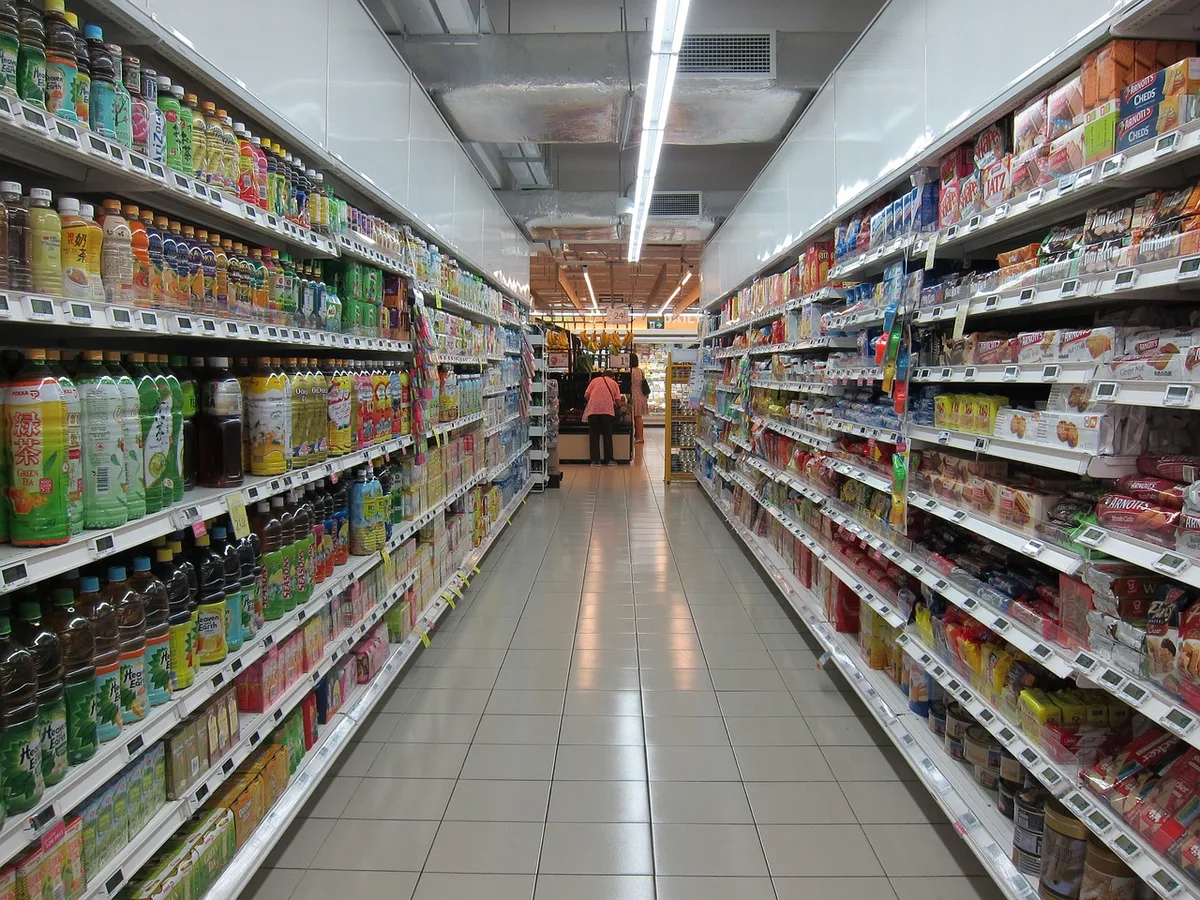
DoorDash built its brand on the promise of delivering restaurant meals quickly and reliably, but the company's ambitions have quietly grown far larger than any single menu. The platform is increasingly positioning itself as a general-purpose local commerce engine — one capable of moving groceries, convenience goods, and retail products through the same logistics infrastructure that made it a household name in food delivery.
The strategic logic is straightforward: the last-mile delivery network DoorDash spent years and billions of dollars constructing represents a fixed-cost asset that becomes more valuable as order volume and product variety expand. Every new category layered onto that network — pharmacy runs, pet supplies, alcohol — dilutes the unit economics of building it while improving the margin profile of operating it at scale.
Read more Morning News Digest: Key Stories Shaping the Day →
This expansion mirrors a playbook visible across platform economies, where companies that achieve dominance in one vertical use operational leverage to colonize adjacent markets. DoorDash is not simply adding product lines; it is attempting to redefine what "local delivery" means for consumers and merchants alike, making the app a default reflex rather than a restaurant-specific tool.
For investors and analysts, the central question is whether DoorDash can convert logistical competence into durable consumer habit across categories where competition is fierce — Amazon, Instacart, and grocery chains with their own fulfillment arms are all contending for the same wallet share. Execution risk is real, but the addressable market for same-day local commerce is substantially larger than restaurant delivery alone.
Continue reading at Yahoo Finance.